
Migrate your Microsoft Dynamics 365 Sales data
Enterprise-grade CRM, native to Microsoft 365. Built on Dataverse with AI-powered Copilot insights for sales teams that live in Teams and Outlook.
Migrating to Microsoft Dynamics 365 Sales ? Jump to sources →

In its favor
Why people choose Microsoft Dynamics 365 Sales
The signal that keeps Microsoft Dynamics 365 Sales on the shortlist. Sourced from G2, Capterra, and customer scoping calls.
Deep Microsoft 365, Teams, and Outlook integration makes Microsoft Dynamics 365 Sales a natural fit for Microsoft-first organizations already invested in that ecosystem
Sales Enterprise and Premium tiers offer unlimited custom tables and advanced AI-driven forecasting and predictive analytics not available in lower tiers
Professional tier pricing at $65 per user per month offers a lower entry cost than Salesforce for SMB teams with straightforward CRM needs
Flexible customization options allow businesses to build bespoke apps, tailor forms and views, and integrate with other Dynamics 365 modules
Microsoft Copilot AI tools are embedded directly into the sales workflow on Enterprise and Premium, automating routine tasks and providing deal intelligence
Steep learning curve and complex role hierarchies make user adoption difficult, especially for teams without dedicated IT support
Poor implementation partner experiences leave organizations stuck with misconfigured systems and no clear path to remediation
Performance degrades noticeably with large datasets and complex customer journeys, particularly in marketing and multi-module environments
Integration with non-Microsoft products requires additional configuration or third-party middleware, limiting flexibility
Mandatory implementation partner involvement to properly configure the system adds significant upfront cost beyond licensing fees
Reasons to switch
Why people leave Microsoft Dynamics 365 Sales
The recurring reasons buyers give for replacing Microsoft Dynamics 365 Sales . Presented as facts, not knocks.
Platform scorecard
Strengths, weaknesses, and where Microsoft Dynamics 365 Sales fits
Grades across six dimensions, plus a SWOT-style view of where the platform shines and where it falls short.
SWOT — strengths, weaknesses, and use-case fit
Strengths
Weaknesses
Where it works
Where it struggles
Pricing tiers
Microsoft Dynamics 365 Sales pricing overview
Microsoft Dynamics 365 Sales uses per-user-per-month licensing with three named tiers. Professional starts at $65, Enterprise at $105, and Premium requires a custom quote. A significant pricing increase of $15 per user per month took effect October 1, 2024 for all new and renewing customers. A low-cost Team Member license at $8 per month provides limited access for occasional users.
Sales Professional
Tier 1 of 4
$65/user/month
What's included
Need help selecting your CRM?
Book a free 30 minute consultationPricing is informational. FlitStack AI does not bill on Microsoft Dynamics 365 Sales 's schedule — see our quote-based pricing →
What gets migrated
Microsoft Dynamics 365 Sales object support
Object-by-object support for Microsoft Dynamics 365 Sales migrations. Per-pair details surface during scoping.
Accounts
Fully supportedAccounts (called 'Companies' in some CRM products) is the core organizational record in Microsoft Dynamics 365 Sales . We map it 1:1 for most CRM migrations, preserving the primary contact association and industry classification fields. We flag duplicate account names during import scoping.
Contacts
Fully supportedContacts store individual people linked to Accounts. We preserve the parent Account lookup, email addresses, phone numbers, and lifecycle stage fields. Contact ownership maps directly to Owner/User records in the destination CRM.
Leads
Fully supportedLeads are the top-of-funnel records with a distinct lifecycle from Opportunity. We preserve lead scoring, source attribution, and qualification status fields. If the destination CRM has no separate Lead object, we merge into Contacts and preserve Lead_Status as a custom property.
Opportunities
Fully supportedOpportunities track deals tied to an Account and Contact with estimated close dates, amounts, and pipeline stage. We preserve the estimated revenue, probability, and stage-history timeline. Loss reasons and won-close dates map cleanly to standard destination fields.
Quotes, Orders, and Invoices
Fully supportedThese three entities form the commercial document chain: Quote converts to Order, Order invoices out. We preserve the parent Account and Opportunity lookups, line items with product references, and pricing after applying discount fields. The ordering of this chain is maintained during migration.
Products and Price Lists
Fully supportedProducts are the sellable items with ID, name, and pricing. Price Lists define pricing tiers per product with quantity-based discounts. We map these as a pair and preserve the price-list assignment on Quotes, Orders, and Opportunities. Bundle relationships are preserved as sub-item references.
Activities (Tasks, Emails, Phone Calls, Appointments)
Mapping requiredActivities are timestamped engagement records attached to any CRM entity. We preserve the activity type, subject, description, date, and owner. Outlook-email correlation requires matching on sender/recipient email addresses since Dynamics does not store a stable email GUID across migrations.
Custom Tables (Professional Tier Limit)
Mapping requiredSales Professional caps custom tables at 15; Enterprise and Premium allow unlimited custom tables. We detect the current tier during scoping and flag any custom table above the 15-table threshold as requiring an Enterprise license at the destination or schema simplification before migration.
Territories
Mapping requiredTerritory management is available on Enterprise tier only. We map territory names and hierarchies but note that destination CRMs often model territories differently—as geographic fields, list values, or separate lookup tables. Field-level mapping is required per customer.
Users and Owners
Fully supportedUser records represent licensed individuals who own CRM records. We map Users to their corresponding Owner records in the destination, preserving full name, email, and business unit assignment. Inactive users require explicit handling: we flag records orphaned to inactive owners before migration.
Notes and Attachments
Mapping requiredNotes are text annotations stored in Dataverse; Attachments are files in associated SharePoint locations or Dataverse. We extract notes as plain text and download attachments from SharePoint or blob storage for re-upload to the destination, handling any filename encoding issues along the way.
Workflows and Business Rules
Not in this platformBusiness rules (field-level validation and visibility logic) and Power Automate workflows are configured at the platform level and do not have a standard portable representation. These must be rebuilt manually or via a certified Microsoft partner at the destination. We document the active rules during scoping for customer reference.
Reports and Dashboards
Not in this platformReports built in Dynamics 365 use FetchXML or Power BI and are tied to specific entity contexts. These are not migrated. We export the list of active reports and dashboards during scoping so customers can rebuild them in the destination system.
| Object | Support | Notes |
|---|---|---|
| Accounts | Fully supported | Accounts (called 'Companies' in some CRM products) is the core organizational record in Microsoft Dynamics 365 Sales . We map it 1:1 for most CRM migrations, preserving the primary contact association and industry classification fields. We flag duplicate account names during import scoping. |
| Contacts | Fully supported | Contacts store individual people linked to Accounts. We preserve the parent Account lookup, email addresses, phone numbers, and lifecycle stage fields. Contact ownership maps directly to Owner/User records in the destination CRM. |
| Leads | Fully supported | Leads are the top-of-funnel records with a distinct lifecycle from Opportunity. We preserve lead scoring, source attribution, and qualification status fields. If the destination CRM has no separate Lead object, we merge into Contacts and preserve Lead_Status as a custom property. |
| Opportunities | Fully supported | Opportunities track deals tied to an Account and Contact with estimated close dates, amounts, and pipeline stage. We preserve the estimated revenue, probability, and stage-history timeline. Loss reasons and won-close dates map cleanly to standard destination fields. |
| Quotes, Orders, and Invoices | Fully supported | These three entities form the commercial document chain: Quote converts to Order, Order invoices out. We preserve the parent Account and Opportunity lookups, line items with product references, and pricing after applying discount fields. The ordering of this chain is maintained during migration. |
| Products and Price Lists | Fully supported | Products are the sellable items with ID, name, and pricing. Price Lists define pricing tiers per product with quantity-based discounts. We map these as a pair and preserve the price-list assignment on Quotes, Orders, and Opportunities. Bundle relationships are preserved as sub-item references. |
| Activities (Tasks, Emails, Phone Calls, Appointments) | Mapping required | Activities are timestamped engagement records attached to any CRM entity. We preserve the activity type, subject, description, date, and owner. Outlook-email correlation requires matching on sender/recipient email addresses since Dynamics does not store a stable email GUID across migrations. |
| Custom Tables (Professional Tier Limit) | Mapping required | Sales Professional caps custom tables at 15; Enterprise and Premium allow unlimited custom tables. We detect the current tier during scoping and flag any custom table above the 15-table threshold as requiring an Enterprise license at the destination or schema simplification before migration. |
| Territories | Mapping required | Territory management is available on Enterprise tier only. We map territory names and hierarchies but note that destination CRMs often model territories differently—as geographic fields, list values, or separate lookup tables. Field-level mapping is required per customer. |
| Users and Owners | Fully supported | User records represent licensed individuals who own CRM records. We map Users to their corresponding Owner records in the destination, preserving full name, email, and business unit assignment. Inactive users require explicit handling: we flag records orphaned to inactive owners before migration. |
| Notes and Attachments | Mapping required | Notes are text annotations stored in Dataverse; Attachments are files in associated SharePoint locations or Dataverse. We extract notes as plain text and download attachments from SharePoint or blob storage for re-upload to the destination, handling any filename encoding issues along the way. |
| Workflows and Business Rules | Not in this platform | Business rules (field-level validation and visibility logic) and Power Automate workflows are configured at the platform level and do not have a standard portable representation. These must be rebuilt manually or via a certified Microsoft partner at the destination. We document the active rules during scoping for customer reference. |
| Reports and Dashboards | Not in this platform | Reports built in Dynamics 365 use FetchXML or Power BI and are tied to specific entity contexts. These are not migrated. We export the list of active reports and dashboards during scoping so customers can rebuild them in the destination system. |
Gotchas
What to watch for in Microsoft Dynamics 365 Sales migrations
Issues we've hit on past Microsoft Dynamics 365 Sales migrations, tagged by severity. FlitStack AI handles every one — surfacing them up front because buyer engineering teams want to know.
Professional tier 15-table custom table limit blocks migrations
October 2024 pricing increase applies at renewal for all customers
Custom fields must be created in the UI before API writes
Power Platform request limits apply to bulk migrations
Activity records orphaned to inactive owners fail silently
| Severity | Issue |
|---|---|
| High | Professional tier 15-table custom table limit blocks migrations |
| High | October 2024 pricing increase applies at renewal for all customers |
| Medium | Custom fields must be created in the UI before API writes |
| Medium | Power Platform request limits apply to bulk migrations |
| Medium | Activity records orphaned to inactive owners fail silently |
Leaving Microsoft Dynamics 365 Sales ?
Where Microsoft Dynamics 365 Sales customers move next
11 destinations Microsoft Dynamics 365 Sales can migrate to.











Coming to Microsoft Dynamics 365 Sales ?
Migrating in from another CRM
856 sources can migrate into Microsoft Dynamics 365 Sales .



























































































































































































































































































































































































































































































































































































































































































































































































































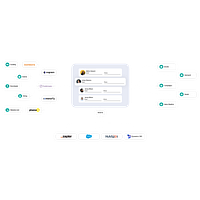
How a Microsoft Dynamics 365 Sales migration works
Four steps, Microsoft Dynamics 365 Sales -specific
Connect
OAuth 2.0 via Microsoft Entra ID (formerly Azure AD) into Microsoft Dynamics 365 Sales . Scopes limited to read-only on the data we move.
Map
We translate Microsoft Dynamics 365 Sales -specific structures (custom fields, objects, value lists) to the destination's model.
Sample
Test with a 50–200 record subset to validate Microsoft Dynamics 365 Sales quirks before production.
Migrate
Full migration with Microsoft Dynamics 365 Sales rate-limit handling. Rollback available throughout.
FAQ
Microsoft Dynamics 365 Sales migration FAQ
Answers to the questions buyers ask most during Microsoft Dynamics 365 Sales migration scoping. Not seeing yours? Book a call.
Can't find your answer?
Walk through your Microsoft Dynamics 365 Sales migration with a real engineer — 30 minutes, free, written quote within 24 hours.
Book a free 30 minute consultationOther CRMs we support
Ready when you are
Migrate Microsoft Dynamics 365 Sales .
Without the rebuild.
Free scoping call with a migration engineer. Tell us about your Microsoft Dynamics 365 Sales setup and destination — written quote back within a business day.